
When you’re buying a home, it’s easy to focus on the house itself.
The kitchen. The yard. The layout. The neighborhood.
But some of the most important details about a property aren’t always obvious during a showing.
Property lines, easements, shared driveways and access rights can all affect how you use a home long after closing, especially in more rural parts of Central Virginia.
If you’re looking in places like New Kent, Hanover, Goochland, Powhatan or anywhere with larger lots and older properties, these are worth understanding early.
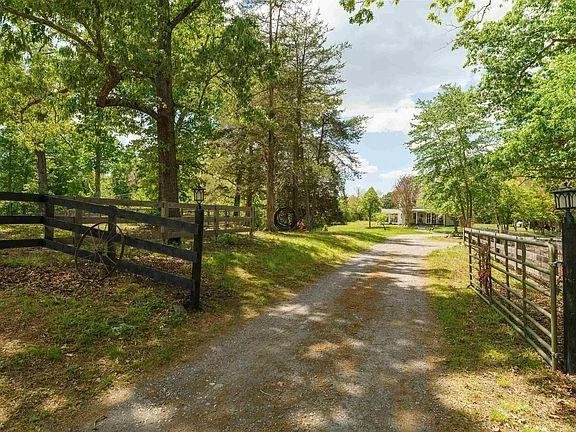
Start With the Property Lines
A fence, tree line or gravel driveway may look like a natural boundary, but that doesn’t necessarily mean it matches the legal property line.
That matters if you’re thinking about adding a fence, building a shed, installing a pool or simply understanding exactly what land you’re buying.
Sometimes buyers assume a large side yard belongs to the house, only to learn later that the property line sits much closer to the home.
If the boundaries matter to your plans, ask questions before closing.
Understand What an Easement Means
An easement gives someone else a legal right to use part of a property for a specific purpose.
That could mean a utility company has access to a portion of the land, a neighbor has the right to cross part of the property, or a shared access road runs through it.
Easements are not automatically a problem.
They’re common, especially on larger or more rural parcels.
The important part is understanding where the easement is, what it allows and whether it affects anything you hope to do with the property.
Shared Driveways Deserve a Closer Look
A shared driveway can work perfectly well, but buyers should understand how it is maintained and who is responsible for what.
Ask whether there is a written maintenance agreement.
Who pays for gravel, grading, snow removal or repairs?
What happens if the driveway needs major work?
If several homes use the same private road, it’s also worth understanding who owns it and whether everyone contributes to upkeep.
These details can feel minor when you’re excited about the house, but they can become much more important later.
Think About Future Plans
Even if an easement or property boundary doesn’t bother you today, consider how it could affect future projects.
Are you hoping to build a detached garage?
Add a pool?
Fence the yard?
Create a pasture?
Put in a large garden?
You may have plenty of acreage on paper, but setbacks, easements, septic drain fields and property lines can limit where improvements can actually go.
That’s why it helps to look at the entire property, not just the number of acres in the listing.
Surveys Can Answer Important Questions
Depending on the property and situation, a survey can help clarify boundaries, improvements and easements.
It can show where the legal property lines are and whether structures, fences or driveways cross them.
Not every transaction will require the same level of research, but if you have questions about a property’s boundaries or access, it is worth addressing them before closing rather than assuming.
Rural Properties Often Come With More Details
The farther you move outside traditional neighborhoods, the more likely you are to encounter private roads, shared driveways, larger parcels and access agreements.
That doesn’t make these properties more complicated in a bad way.
It simply means there may be a few more questions to ask.
A beautiful home on several acres can still be a wonderful fit. You just want to understand exactly what you’re buying and how the property works.
Ask Before You Assume
Most property-line and easement concerns are much easier to deal with before closing.
If something isn’t clear, ask.
Talk with your Realtor, review the available documents and bring in the appropriate professionals when needed.
Buying a home is about more than loving the house.
It’s also about understanding the property around it well enough to feel confident about how you’ll live there.
And sometimes the details that matter most are the ones you can’t see from the front porch.
