
Buying an Older Home in Richmond? What to Look for Beyond the Charm
Richmond has no shortage of beautiful older homes.
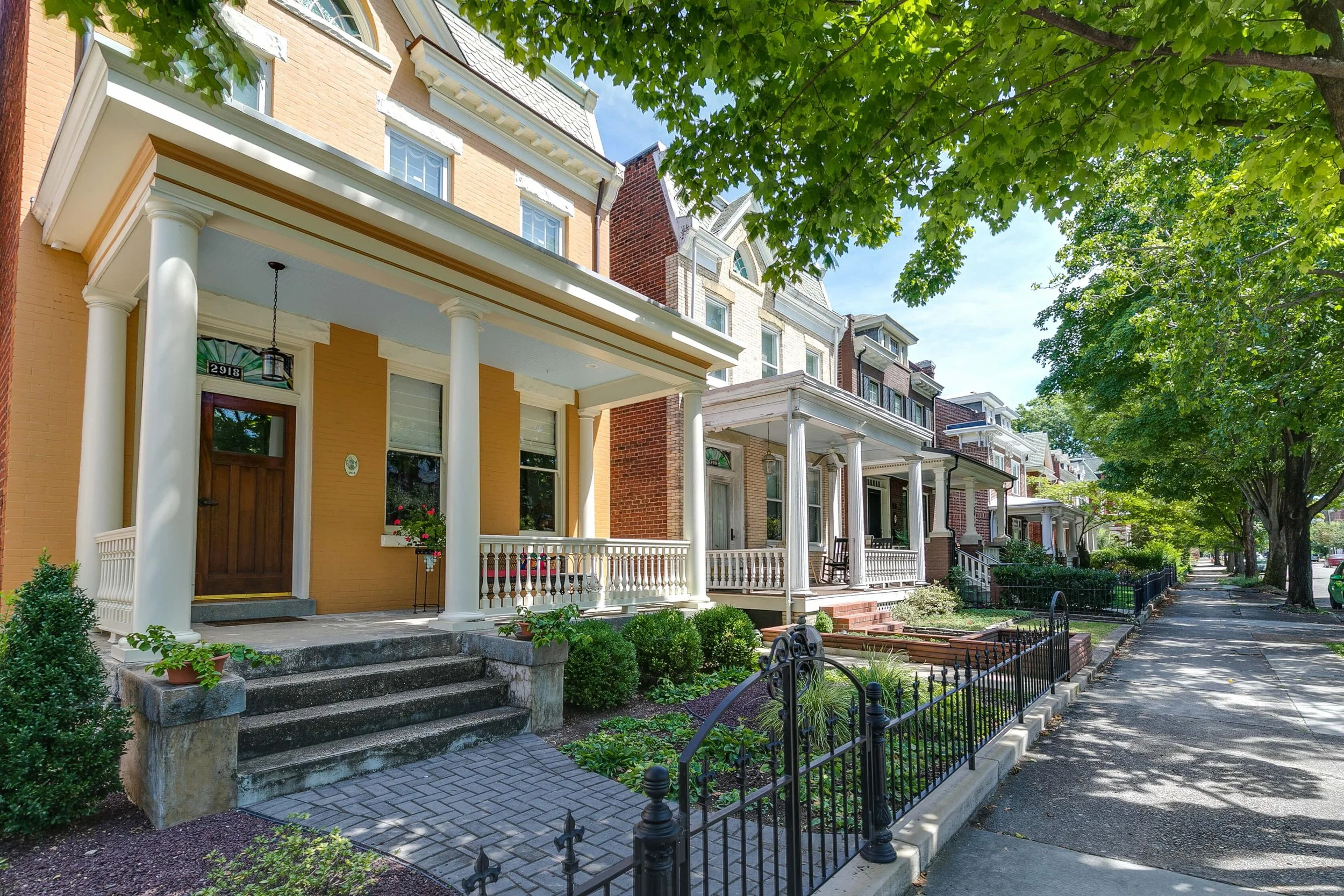
From classic brick houses and tree-lined streets to original hardwood floors, built-ins, fireplaces and architectural details you simply don’t find in many newer homes, it’s easy to understand why buyers fall in love with them.
But buying an older home is a little different from buying something that was built five or ten years ago.
That doesn’t mean older homes should make you nervous. It just means you want to know what you’re looking at and have the right people helping you evaluate it.
Character Is Wonderful. Condition Still Matters.
One of the biggest mistakes buyers can make is assuming that “old” automatically means “problem.”
Some older Richmond homes have been beautifully maintained for decades. Others have gone through renovations at different points in their history, which means you may have a 1920s house with a newer roof, updated electrical system and recently replaced HVAC.
That’s why age alone doesn’t tell you much.
Instead, look at how the home has been cared for and which major systems have already been addressed.
Pay Attention to the Big-Ticket Items
Cosmetic updates are easy to notice during a showing. Major systems are usually less exciting — but much more important.
When touring an older home, I want buyers thinking about things like:
Roof age and condition
Electrical system
Plumbing
HVAC
Windows
Foundation and crawl space
Drainage around the property
Signs of moisture or previous water issues
None of these automatically mean you shouldn’t buy the house. They simply help you understand what you’re taking on.
A dated kitchen might be something you happily live with for five years. An electrical issue you didn’t know about could be a very different story.
Renovations Deserve a Closer Look Too
An older home that has already been renovated can feel like the best of both worlds.
Sometimes it is.
But I still encourage buyers to look beyond the pretty finishes.
If walls were moved, bathrooms added, porches enclosed or major improvements completed, it can be helpful to understand when that work was done and whether permits were required.
Good renovations can add tremendous value to an older house. Poorly executed renovations can create headaches later.
Understand What You’re Willing to Maintain
There is also a lifestyle component to buying an older property.
Original windows, mature trees, slate roofs, plaster walls and historic details can be incredibly charming. They may also require different maintenance than what you’d encounter in a newer home.
The question isn’t whether those things are “good” or “bad.”
It’s whether they fit you.
Some buyers love owning a home with history and are perfectly comfortable taking on projects over time. Others would much rather move into something where the maintenance feels more predictable.
Both are completely reasonable.
Your Inspector Matters
A thorough home inspection is important with any property, but it becomes especially valuable when you’re buying an older home.
This is also where having a strong network of local professionals can make a big difference.
Sometimes an inspection leads to another question that needs a specialist — an electrician, structural engineer, plumber, roofer or foundation professional. Knowing who to call can help you get good information quickly and make a decision based on facts rather than fear.
Don’t Lose Sight of Why You Loved the House
Older Richmond homes can come with quirks. Floors might not be perfectly level. Closets might be smaller. You may encounter something you’ve never seen before.
That’s part of buying a home that has been standing for generations.
The goal isn’t to find an older house with absolutely nothing imperfect about it. It’s to understand the property well enough to decide which imperfections you’re comfortable with — and which ones you aren’t.
If you’re considering an older home in Richmond or anywhere throughout Central Virginia, having someone who understands the area and can connect you with the right local resources can make the process much easier.
Sometimes the right house isn’t the newest one.
It’s the one whose character, location, condition and potential all make sense for you.
