
Moving Beyond Richmond? How to Choose the Right Central Virginia Area
If you start looking for a home in Richmond, there’s a good chance your search may eventually stretch beyond the city limits.
Maybe you want more yard space. Maybe you’re hoping for a newer home, a quieter setting, a different commute, or simply more options within your budget.
Central Virginia gives buyers a lot to choose from, but moving your search from Richmond into places like Henrico, Chesterfield, Hanover, New Kent, Goochland or Powhatan is about more than looking at a map.
Different areas can come with very different day-to-day experiences, so it helps to think through what matters most before you start chasing listings.
Start With Your Daily Routine
A home may look perfect online, but location still shapes how you live in it.
Think about the places you go most often. Where do you work? Where does your family spend time? Do you want to be close to restaurants and shopping, or would you happily drive a little farther in exchange for more space?
A house that gives you an extra acre may sound wonderful until you realize it adds significant time to your daily drive. On the other hand, someone who works from home may be perfectly happy trading a shorter commute for privacy and a larger property.
There isn’t one right answer. The goal is figuring out which trade-offs actually work for you.
Compare More Than Home Prices
When buyers expand into a new county, it can be tempting to focus only on how much house they can get for the money.
That matters, but there are other costs and considerations too.
Property taxes, homeowners association fees, utilities, insurance, well and septic systems, road maintenance and commuting expenses can all vary depending on where you buy.
A lower purchase price doesn’t always mean lower overall costs, so looking at the full picture can help you compare homes more accurately.
Think About How Much Property You Really Want
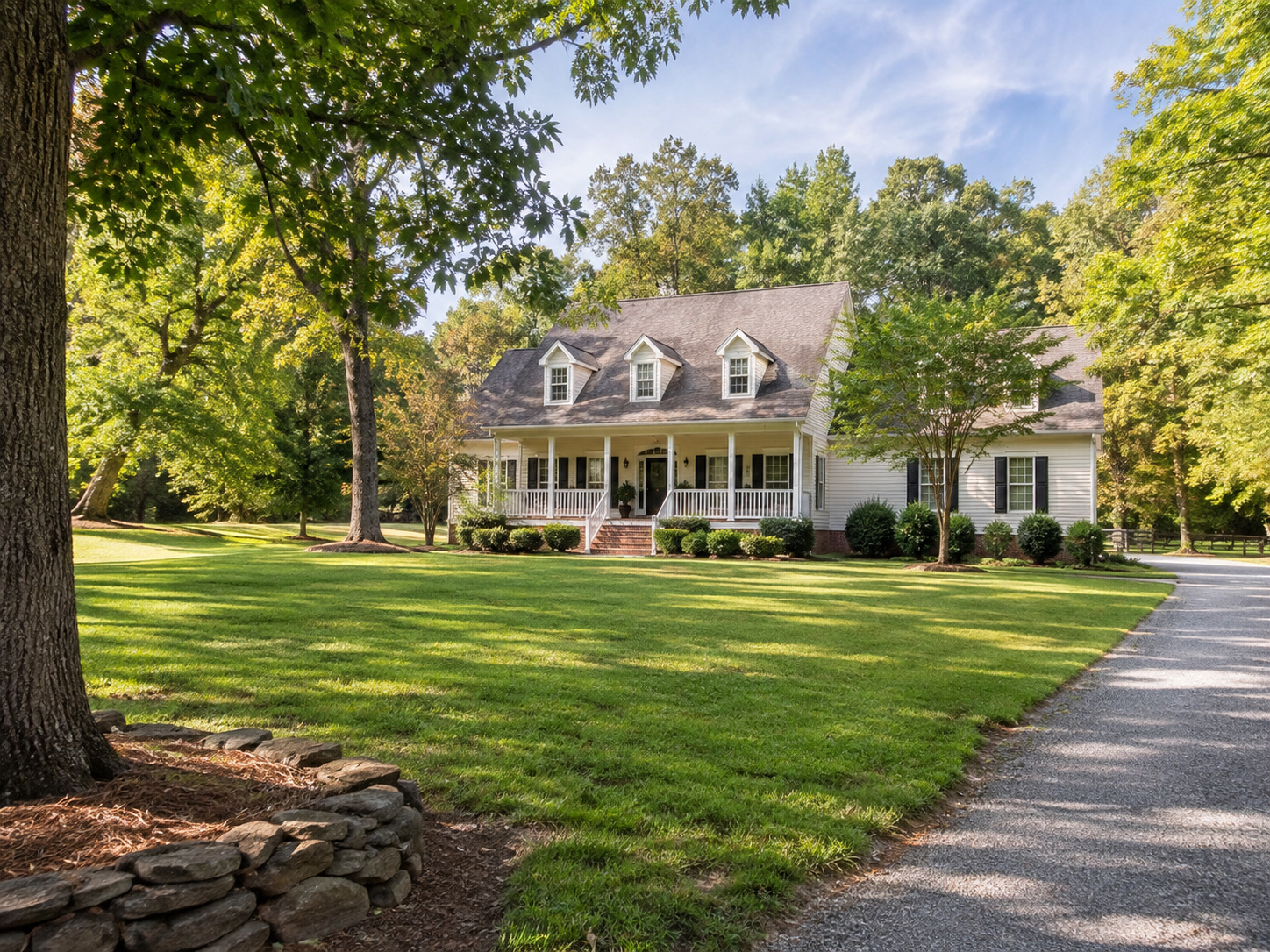
Moving farther outside Richmond can open the door to larger lots and acreage.
For some buyers, that is exactly what they’re looking for.
More land can mean privacy, room for pets, gardening, outdoor projects, a workshop or simply more space between you and your neighbors.
But land also requires upkeep.
Before falling in love with a large property, think about mowing, tree maintenance, fencing, driveway care and how much of the acreage is actually usable.
Sometimes buyers discover that half an acre gives them all the outdoor space they need. Others genuinely want several acres and are happy to take on the extra work.
Pay Attention to Utilities and Infrastructure
One of the biggest differences between buying in a more developed neighborhood and buying farther out can be the property’s utilities.
Some homes rely on well and septic rather than public water and sewer. Internet options may vary. Certain roads may be privately maintained. Cell service can even be different from one property to the next.
None of these things should automatically rule out a home, but they’re worth understanding before you make an offer.
This is where asking detailed questions early can save you from surprises later.
Spend Time in the Area Before Deciding
If you’re considering a community you don’t know well, visit it at different times of day.
Drive your potential commute.
Stop by the grocery store. Grab lunch nearby. See how long it actually takes to get to the places you visit regularly.
Sometimes an area feels very different when you experience it as a potential resident instead of simply driving through for a showing.
Let the Search Evolve
You don’t have to know exactly where you want to live before you begin.
In fact, some of the best home searches change along the way.
A buyer who starts out convinced they want to stay in Richmond may fall in love with Ashland. Someone focused on Chesterfield may discover that Hanover fits their lifestyle better. A family looking for acreage may realize they actually prefer a neighborhood with sidewalks and nearby amenities.
That’s normal.
A good home search isn’t about forcing yourself into the location you originally chose. It’s about learning what matters to you and finding a property and community that support the way you actually want to live.
If you’re thinking about buying in Richmond or anywhere throughout Central Virginia, having someone who understands the differences between these areas can help you compare your options with a lot more confidence.
